Austria vs Kosovo: Match Preview, Predictions and Betting Tips
Published on Friday, 25 September 2026 by Steve


Austria vs Kosovo Prediction
UEFA Nations League B Prediction & Betting Tips
Match Overview
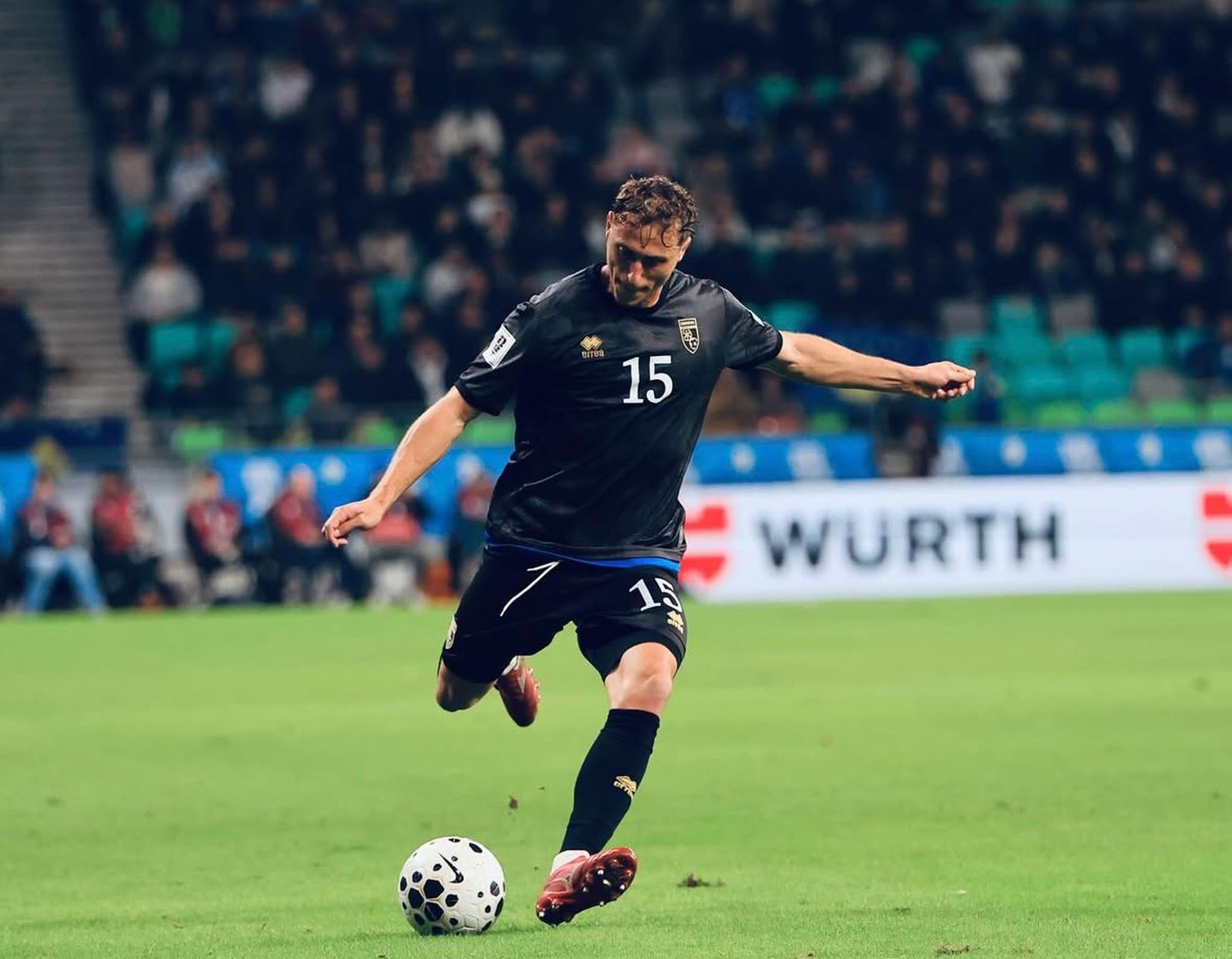
From Lakeside to the World: Como | Como 1907 Official Site
Austria vs Kosovo arrives as one of the more intriguing UEFA Nations League B fixtures of the September window because it pairs a proud football nation rebuilding after a World Cup with one of Europe’s fastest-improving smaller football countries. For Austria, this is a home game at the Ernst-Happel-Stadion and a chance to show that the post-World Cup transition can be handled without losing intensity, structure or attacking ambition. Ralf Rangnick’s side still has the profile of a pressing team: aggressive without the ball, brave in build-up, and happiest when the game is played in the opponent’s half. Kosovo, coached by Franco Foda, will not arrive in Vienna merely to survive. The Dardanians have built a clear identity around compact defending, quick transitions and a direct route to Vedat Muriqi, but away matches against top-30 opposition remain the clearest measure of how far they have really come.
The wider context matters. Austria reached the 2026 FIFA World Cup knockout phase and were eliminated by Spain, while Kosovo came agonisingly close to a first World Cup ticket before losing their play-off final to Türkiye. That gap in tournament pedigree is real, but it is not the whole story. Kosovo’s recent results against Sweden, Slovenia and Switzerland showed a team that can defend with discipline and counter with pace, and their March play-off win in Slovakia proved they can be dangerous even when the tactical script is not perfect. Still, Vienna is different. Austria’s home crowd, Rangnick’s positional game and the Austrian willingness to attack the second ball should pin Kosovo back for long spells. For bettors looking at today’s programme, this fixture belongs in the same conversation as the markets covered on our football predictions for today page, but the strongest angle is not simply home dominance; it is whether Kosovo can resist the first wave and whether Muriqi can get enough support to make the duel physical.
The match is also a meeting of familiar tactical languages. Foda previously managed Austria from 2018 to 2022, so he knows the country’s football culture, many of the players’ habits and the emotional temperature of a Vienna crowd. That does not automatically give Kosovo an advantage, but it should make their game plan more coherent than a typical underdog approach. Expect Kosovo to begin in a mid-block rather than a reckless high press, to protect the space between defence and midfield, and to look for Milot Rashica and Edon Zhegrova in the channels once Austria commits full-backs forward. Expect Austria to do the opposite: move the ball quickly, rotate the attacking midfielders, and test whether Kosovo’s back line can defend the cutback and the second phase. Our prediction is Austria 3-0, with the logic explained below and the scoreline framed by the markets discussed on our correct score tips page.
Tactical Preview

Leon Avdullahu Injury Update: Kosovo's Midfield Star Out vs Slovakia – Impact on Albanian Football Fans
Formation & Key Matchups
Austria 4-2-3-1
Austria’s base shape should be a 4-2-3-1 that can morph into a 4-3-3 when the full-backs advance. The double pivot is crucial because it allows the attacking midfielders to push high without leaving the centre exposed. Against Kosovo, the key is not sterile possession; it is speed after the regain. Austria need to attack before Kosovo’s block settles, especially through the inside-left channel where the centre-forward can pin a centre-back and release runners. The full-back on the opposite side must time overlaps carefully because Kosovo’s best escape route is a diagonal into the far winger. If Austria control the first contact from goal kicks and force Kosovo long, the game should become a repeated sequence of second balls around the away box.
Kosovo 4-3-3 / 4-2-3-1
Kosovo’s most competitive version is compact rather than expansive. In a 4-3-3, they can keep three midfielders near the ball and still leave Muriqi high enough to contest direct passes. The danger for them is spacing: if the midfield drops too close to the penalty area, Austria’s number ten can receive between lines; if the midfield steps too high, the space in behind becomes a runway. Foda will likely ask his side to be aggressive only in triggers — a backward pass, a loose touch, a full-back receiving with head down. Otherwise, Kosovo must accept long periods without the ball and trust Muriqi to win fouls, Rashica to carry and the midfield runners to arrive late rather than early.
Critical Vulnerability
The critical vulnerability is Kosovo’s defensive transition when the ball is lost near their own left side. Austria are excellent at counter-pressing after a cross or cutback is cleared, and Kosovo’s wide forwards may be slow to recover once committed forward. If Austria can pin Vojvoda deep and then switch play quickly, the far-side centre-back is dragged across and the near-side midfielder has to decide between protecting the edge of the box and tracking the runner. That is where a second Austrian goal becomes likely. The same pattern connects naturally with our over/under predictions market thinking: a 3-0 home win usually requires repeated pressure, not one isolated mistake.
Team News & Squad Status
Austria 📈
- Coach: Ralf Rangnick continues to lead a high-intensity Austria side now balancing experience with a post-World Cup refresh.
- Out/uncertain: Konrad Laimer is the major late fitness concern and is not expected to be risked if the knock reported during the window persists; Christoph Baumgartner is also unavailable for this camp.
- Retirement/transition: Marko Arnautović has ended his international career, reducing Austria’s penalty-box reference point and increasing responsibility for Michael Gregoritsch and Saša Kalajdžić.
- Squad texture: The September group blends Premier League, Bundesliga and Red Bull-system profiles, with Nicolas Seiwald, Xaver Schlager, Paul Wanner, Carney Chukwuemeka, Patrick Wimmer and Christoph Lang giving Rangnick energy between the lines.
- Likely approach: A strong home eleven is expected, with freshness in wide areas and a settled double pivot rather than experimental rotation.
Kosovo 🛡️
- Coach: Franco Foda, former Austria national-team coach, knows the hosts intimately and will prepare a compact, emotionally disciplined away plan.
- Captain/leader: Mërgim Vojvoda remains the on-field reference point and the most capped presence in the current group.
- Defensive absences/strain: Kosovo have managed recent windows without long-term injured centre-back Amir Rrahmani and with several defensive names only partially available; selection may be decided by match sharpness.
- Attacking spine: Arijanet Muric in goal, Vedat Muriqi as the target striker, Milot Rashica for transition speed and Edon Zhegrova/Fisnik Asllani for creativity between lines form the core.
- Matchday risk: The midfield must protect the back four early; if Kosovo concede first, the plan becomes stretched and the away bench may lack a like-for-like control option.
Predicted Lineups

Six newcomers in Austria squad as Rangnick begins generational shift - Interwetten News
| Austria 4-2-3-1 | Kosovo 4-3-3 |
|---|---|
| GK: Alexander Schlager | GK: Arijanet Muric |
| RB: Stefan Posch | RB: Mërgim Vojvoda |
| CB: Kevin Danso | CB: Albian Hajdari |
| CB: Philipp Lienhart | CB: Ilir Krasniqi |
| LB: Phillipp Mwene | LB: Dion Gallapeni |
| DM: Nicolas Seiwald | CM: Leon Avdullahu |
| DM: Xaver Schlager | CM: Elvis Rexhbecaj |
| RW: Paul Wanner | CM: Veldin Hodža |
| AM: Carney Chukwuemeka | RW: Milot Rashica |
| LW: Patrick Wimmer | ST: Vedat Muriqi |
| ST: Michael Gregoritsch | LW: Edon Zhegrova |
Head-to-Head Record
There is no senior men’s head-to-head record between Austria and Kosovo before this fixture, which adds a layer of unpredictability but also removes the usual psychological baggage that comes with repeated meetings. Kosovo have only been playing recognised senior internationals since the middle of the last decade, and their competitive story has mostly been written against nearby European sides, World Cup qualifying groups and Nations League opponents. Austria, by contrast, have a much deeper archive of Vienna home internationals, yet even that history does not include Kosovo. The only realistic way to read this “rivalry” is therefore through profiles rather than past scorelines: Austria as the established pressing side, Kosovo as the improving transition side.
Because the senior sample is zero, the more useful comparison is Austria’s recent home strength against lower-ranked European teams and Kosovo’s away record against top-50 opposition. Austria tend to create volume at home even when they are not fluent, while Kosovo have often been at their best when the game is emotionally charged and the opponent leaves space behind the full-backs. The reverse fixture later in the cycle will tell us whether this becomes a genuine contest or a one-sided group narrative. For now, the blank head-to-head page favours preparation over reputation, and it supports a cautious approach to exotic markets even though our main prediction is emphatic. Readers who prefer safer coverage can compare the match with the angles on our double chance predictions page before deciding how much risk to carry.
Key Players Comparison
Wanner gives Austria a left-footed right winger who can come inside and combine with the ten, forcing Vojvoda to defend both the touchline and the half-space. This is a stylistic problem for Kosovo’s captain because stepping tight can open the lane behind him, while standing off gives Wanner time to pick a pass. If Austria isolate this duel repeatedly, Kosovo’s whole right side becomes conservative.
Chukwuemeka’s value is in receiving on the half-turn and carrying the ball through pressure. Avdullahu, still young but tactically serious, must decide whether to step into midfield and leave the centre-back exposed or hold position and allow Chukwuemeka to face forward. The first option risks a red-card-type duel; the second risks Austria setting up camp around the box.
Muriqi is Kosovo’s release valve and their best route to a set piece, a second-ball scramble or a penalty-area foul. Danso and Lienhart must defend him without over-fouling, because Kosovo’s most realistic goal route comes from dead balls and chaos rather than sustained open-play pressure. If Austria win the first contact cleanly, Muriqi can become isolated and the away attack loses its reference point.
The individual comparison still tilts clearly toward Austria because their decisive players operate closer to the goal and their depth is stronger in wide areas. Wanner and Wimmer can both carry, press and shoot; Seiwald and Xaver Schlager can rotate the base of midfield; Gregoritsch offers penalty-box timing even without the old target-man aura of Arnautović. Kosovo’s danger is concentrated in fewer players. Muriqi is elite at his specific job, Rashica is still one of the Balkans’ most dangerous transition runners, and Zhegrova can make a full-back look foolish in a one-v-one. But if those three are separated by Austria’s counter-press, Kosovo may spend long spells defending with seven players and attacking with only three. That imbalance is why Austria’s clean sheet is part of our score prediction, and why the match also deserves consideration alongside the logic explained in our BTTS/goal-goal markets guide before choosing whether to back a home shutout or leave room for a consolation.
The Managers
Ralf Rangnick
Rangnick’s Austria are built on non-negotiable principles: verticality after regain, collective pressing, full-backs who provide width, and midfielders who are comfortable receiving under pressure. The post-World Cup question is whether the same intensity can survive the loss of veteran attacking presence and a couple of key injuries. The early evidence suggests yes, because Austria still generate pressure through structure rather than relying on one star. At home, Rangnick will want a fast start, but not a chaotic one; the ideal pattern is to score early and then manage the game with the ball, forcing Kosovo to chase into spaces they do not want to defend.
His in-game decisions will be watched closely. If Austria lead, does he protect the double pivot or add a second striker? If Kosovo sit in a 4-4-2 mid-block, does he move Chukwuemeka higher or use Wimmer as a false wide player to open the half-space? Rangnick’s reputation was made by turning tactical detail into repeatable attacking waves, and this fixture is exactly the type where those details become goals: cutbacks, near-post runs, rebounds and set-piece second phases. For a broader Austria reference, our Austria vs Jordan preview captured how Rangnick’s side can dominate lower-ranked opponents when the press clicks early.
Franco Foda
Franco Foda’s Kosovo are organised, proud and tactically literate, and the Austrian connection gives this match a subplot that neither bench will discuss publicly. Foda knows how Vienna can lift a favourite and how quickly a home crowd can turn if the underdog lands the first punch. His challenge is to make Kosovo competitive without copying Austria’s game. That means accepting less possession, defending the box with numbers, and using Muriqi as a platform rather than expecting him to create magic alone. Foda’s best results with Kosovo have come when the emotional edge is controlled and the defensive distances stay compact.
The risk for Foda is game-state management. If Kosovo concede early, the temptation to add attackers could open the exact spaces Rangnick wants. If they keep it 0-0 into the second half, the temptation may be to retreat deeper and deeper, eventually inviting a deflected goal or set-piece concession. Foda needs his wide players to defend with discipline and his midfield to avoid cheap fouls around the box. He also needs Muric to communicate early because Austria will test the goalkeeper’s command with crosses from both sides. The Foda storyline makes Kosovo more dangerous than a simple ranking gap suggests, but not dangerous enough to change our core call. For context on Austria’s summer level, see how the national team matched elite opposition in our Argentina vs Austria preview and the knockout reality check in our Spain vs Austria preview.
Betting Predictions & Tips
Odds: 1.50 (European decimal, indicative)
Austria at home against a Kosovo side missing some defensive authority is the cleanest angle. The price is short because the market recognises the gulf in depth, home advantage and tactical control. Even without Laimer and Baumgartner, Austria should generate enough territory and shot volume to make the home win the foundation of any bet. The only caution is short-price parlay use: 1.50 is reliable but not immune to a nervous 0-0 if Austria are wasteful, so consider pairing it with a team-total or Asian handicap only if you accept higher variance.
Odds: 2.10 (European decimal, indicative)
This is the value tier if you believe in the 3-0 prediction. Austria do not need to be perfect to cover -1.5; they need two clear goals and a game state that forces Kosovo out. The home side’s counter-press and set-piece threat make a two-goal margin more likely than the raw rankings imply. The risk is a 1-0 or 2-1 type game where Kosovo stay emotionally locked in and Austria settle for control. For that reason, split stakes between the straight home win and the handicap rather than loading everything into one price.
Odds: 1.67 (European decimal, indicative)
Over 2.5 fits the predicted scoreline and Austria’s likely shot volume, but it is not as safe as it first appears because Kosovo may not contribute much. If you expect Austria to score three alone, the over is playable; if you expect a controlled 2-0, it loses despite the home side dominating. The best version of this bet is when team news confirms an attacking Austrian midfield with Wanner, Chukwuemeka and Wimmer all starting, because that trio raises the chance of early pressure and multiple goal sources.
Odds: 1.87 (European decimal, indicative)
Kosovo’s route to scoring is narrower than Austria’s route to scoring two or three. Muriqi can win headers, Rashica can sprint into space and set pieces can create chaos, but away in Vienna the Dardanians may spend too long defending their own box to build sustained attacks. Austria’s back line is strong in the air when Danso and Lienhart are paired, and the double pivot should limit direct service. BTTS “No” is therefore a logical companion to a home clean sheet, although it is slightly more fragile than the home win because one penalty or deflection can kill it.
Odds: 12.00 (European decimal, indicative)
This is the speculative play that matches our headline prediction. A 3-0 away/home scoreline usually requires an early goal, sustained pressure and a late third once the underdog opens up. Austria can produce that sequence at home, but correct score betting should always be small-stake because the margin between 3-0 and 2-0, 3-1 or 4-0 is thin. If you want a safer expression of the same view, Austria to win to nil or Austria team total over 2.5 are alternatives with different risk curves. For method discipline, keep this within the principles used in our banker of the day approach rather than chasing the exact number emotionally.
📊 Final Score Prediction
Match Analysis
We predict Austria 3-0 because the match conditions point toward territorial control, repeated second-ball pressure and a Kosovo attack that may become too dependent on Muriqi’s aerial presence. Austria’s likely opener comes from sustained pressure rather than a lucky break: a wide combination, a cutback and a finish from the penalty spot or edge of the area. Once ahead, Rangnick’s side can press with even more confidence, knowing Kosovo must either accept a low block or open the pitch. A second goal before the hour mark would be decisive because it turns Kosovo’s plan from disciplined containment into a more desperate transition game.
The clean sheet is the part of the prediction that requires trust. Kosovo have enough individual quality to create one big chance, especially through Rashica on the break or Muriqi attacking a cross, but Austria’s defensive structure and home advantage should limit the supply. If Austria score early, expect them to manage the tempo with Seiwald and Xaver Schlager rather than chase a rout; if the first goal is late, the match can still finish 2-0. Our final scoreline remains 3-0, with the third goal more likely to arrive after substitutions stretch the away defence. For readers tracking national-team previews across the site, the Austrian template is similar to our Austria vs Tunisia preview, where control at home turned into a narrow but deserved win rather than a wide-open contest.
Key Insights & Statistics
- First senior meeting: Austria and Kosovo have never met at senior level before this Nations League fixture, so there is no head-to-head bias to lean on.
- Home profile: Austria’s game model is built for home dominance: aggressive counter-pressing, quick wide combinations and a high defensive line supported by mobile midfielders.
- Kosovo’s clearest weapon: Vedat Muriqi remains the focal point, but Kosovo need second balls and wide runners around him rather than hopeful long balls into isolation.
- Austria injuries: Laimer’s absence reduces right-sided aggression and ball-carrying, while Baumgartner’s absence removes one of the best between-lines receivers in the squad.
- Managerial subplot: Franco Foda managed Austria for four years and understands the psychological environment of an Ernst-Happel-Stadion international.
- Market view: European decimal odds make Austria a clear favourite; value seekers should look to handicaps and clean-sheet angles rather than the short 1X2 price alone.
- Game-state lever: The first goal is huge. If Austria score before half-time, the probability of multiple home goals rises sharply; if it stays 0-0 past 60 minutes, nerves can shrink the margin.
- Best betting hierarchy: Austria win is the base bet, Austria -1.5 is the value bet, BTTS No is the clean-sheet companion, and 3-0 correct score is the small-stake speculative shot.
Conclusion
Austria vs Kosovo should be decided by whether the hosts can turn early dominance into a lead before Kosovo settle into their compact defensive shape. Austria have the stronger squad, the clearer pressing identity and the advantage of playing in Vienna. Kosovo have enough discipline to make the match uncomfortable for long spells, and Foda’s familiarity with Austrian football adds spice, but the visitors may lack the defensive depth to withstand repeated waves once the midfield is pinned back.
Our final prediction is Austria 3-0. The most likely route is an opening goal from sustained pressure, a second from transition or set-piece chaos, and a late third as Kosovo commit bodies forward. The alternative scenarios are 2-0 if Austria manage the game conservatively, or 3-1 if Kosovo nick a set-piece consolation, but neither changes the main read: Austria should control the match from start to finish.
For publishing and betting purposes, keep the language measured: Austria are strong favourites, not certainties; Kosovo are improving, not yet equipped to dominate a top-30 home side. The best single angle is Austria to win, the best value angle is Austria -1.5, and the correct score shot that matches the analysis is 3-0. If final lineups confirm an attacking Austrian midfield and a Kosovo back line without its first-choice centre-back partnership, confidence in the clean sheet rises further; if Kosovo name extra midfield protection, downgrade the exact score and prioritise the safer home-win markets.


