Iran vs New Zealand: Match Preview, Predictions and Betting Tips
Published on Sunday, 14 June 2026 by Steve


Iran vs New Zealand – FIFA World Cup 2026 Group Stage Opener
FIFA World Cup 2026 Prediction & Betting Tips
Match Overview
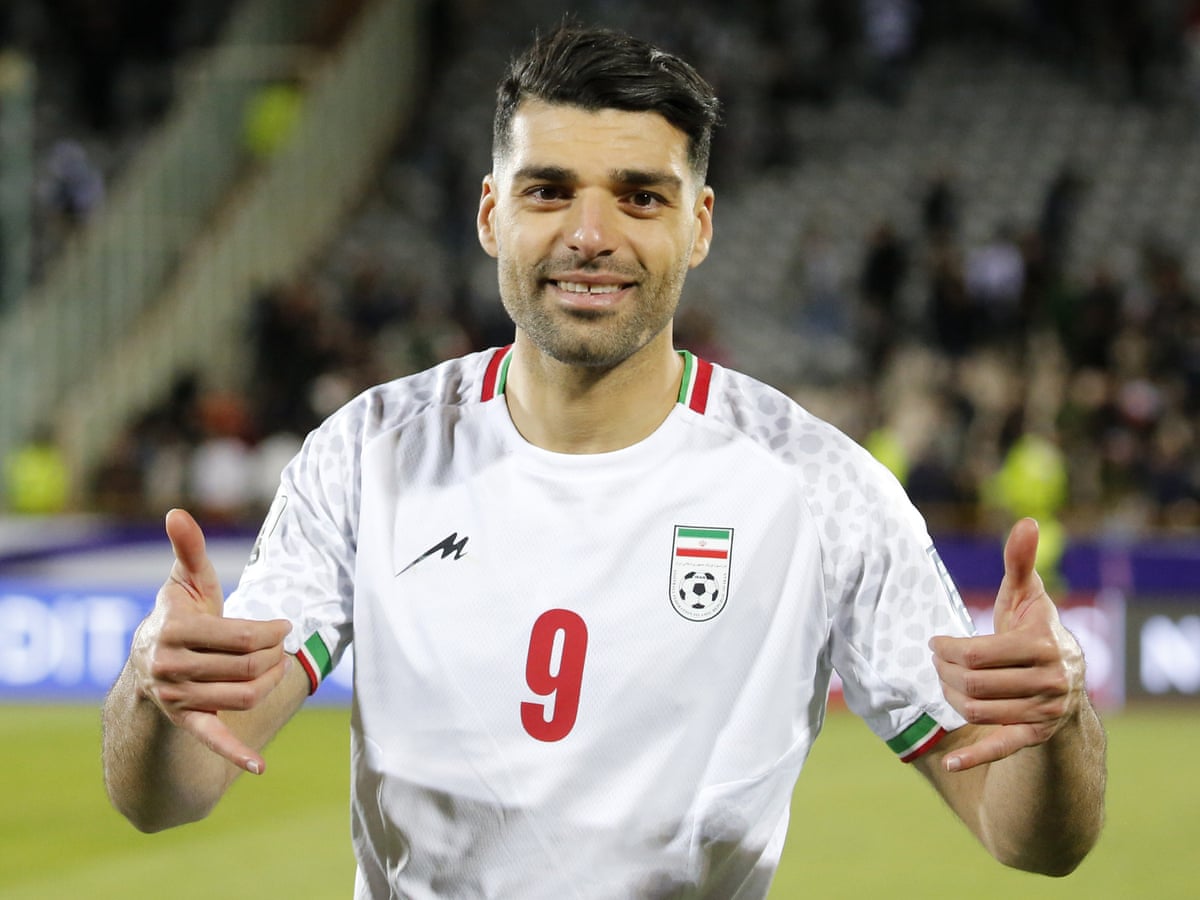
Mehdi Taremi key on and off field to Iran's World Cup knockout dream | Iran | The Guardian
The 2026 FIFA World Cup kicks off its Group G proceedings with a fascinating encounter between Asian powerhouse Iran and Oceania representatives New Zealand at the spectacular SoFi Stadium in Los Angeles. This match represents a critical juncture for both nations, as Iran seek to finally break their historic group-stage curse and advance to the knockout rounds for the first time in seven World Cup appearances, while New Zealand arrive eager to prove that their emerging, youth-infused generation can consistently challenge football's traditional heavyweights. The significance of this fixture cannot be overstated – with formidable opponents Belgium and Egypt also competing in Group G, neither side can afford to stumble out of the blocks. The opening match in California carries immense weight for two teams determined to make a strong start in what promises to be one of the tournament's most competitive groups.
Iran enter this tournament as one of Asia's most consistent performers, having qualified automatically through a dominant AFC third-round campaign where they finished top of Group A with 23 points from 10 matches. Under the experienced stewardship of Amir Ghalenoei, Team Melli have cultivated a squad that blends battle-hardened European-based professionals with technically gifted domestic talents. Their qualification journey was marked by clinical efficiency, with star striker Mehdi Taremi netting 10 goals in 15 qualifying appearances to spearhead the attack. The 33-year-old Olympiacos forward arrives at his third World Cup in peak physical condition, bringing over 100 caps of invaluable international experience and a proven track record of finding the net on football's biggest stage, including a memorable brace against England at Qatar 2022. For those looking to understand how betting odds work for this fixture, Iran's status as favorites is well-reflected in the markets.
New Zealand, meanwhile, qualified through an impeccable OFC campaign, securing their place at the World Cup for the first time since their legendary undefeated 2010 campaign. Head coach Darren Bazeley has overseen a significant generational transition, assembling a youthful 26-man roster that perfectly balances high-potential European prospects with a reliable domestic core. The All Whites arrive in Los Angeles riding a wave of confidence following their dominant qualification run, though their recent friendly results have been mixed. Captain Chris Wood remains the talismanic figure leading the line, with the 38-year-old Nottingham Forest striker bringing elite aerial presence and physicality that will test Iran's robust defensive unit. The tactical battle between Ghalenoei's structured pragmatism and Bazeley's progressive possession-based philosophy promises to be one of the most intriguing subplots of the opening round, with both managers acutely aware that three points here could prove decisive in the final Group G standings.
Tactical Preview
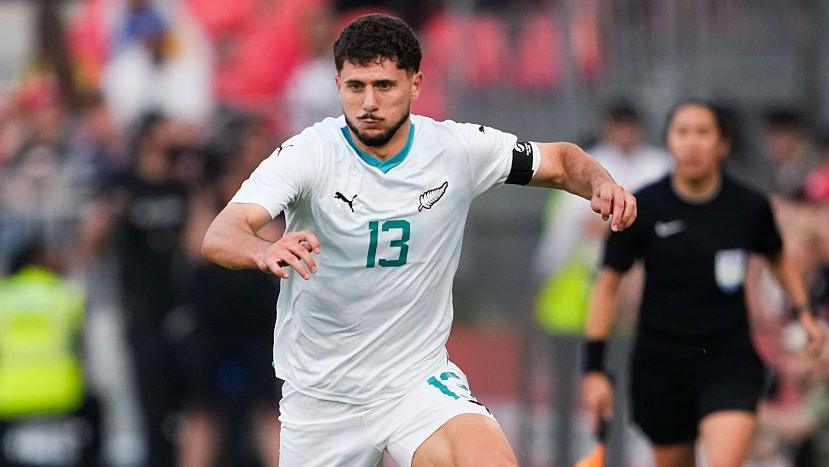
Wrexham: Liberato Cacace withdraws from New Zealand squad - BBC Sport
Formation & Key Matchups
Iran 4-2-3-1
Amir Ghalenoei has perfected a balanced, highly organised tactical approach that typically shapes up in a rigid 4-2-3-1 system, though he has shown flexibility in switching to a functional 4-3-3 when circumstances demand. His philosophy prioritises defensive solidity and intensive central pressing, forcing opponents into wide areas where his physically imposing centre-backs can dominate aerial duels and clear their lines with authority. The double pivot of Saeid Ezatolahi and Rouzbeh Cheshmi provides a formidable shield in front of the back four, with Ezatolahi's recovery pace and Cheshmi's positional intelligence creating a compact midfield block that suffocates opposition passing lanes. Once possession is secured, Ghalenoei rejects passive horizontal passing cycles; instead, he demands immediate, direct vertical distribution to Mehdi Taremi and the creative outlets operating in the half-spaces. The full-backs, typically Saleh Hardani on the right and Milad Mohammadi on the left, are instructed to provide width in advanced positions, though they remain disciplined in their defensive responsibilities. This evolution of tactical thinking has served Iran well throughout qualifying, allowing them to control the tempo against technically superior opponents while maintaining the defensive resilience that has become their trademark.
New Zealand 4-3-3
Darren Bazeley has completely transformed New Zealand's tactical identity, moving the national team away from their historically direct style and implementing a brave, progressive blueprint built on ball retention and intelligent movement. The All Whites typically deploy an asymmetrical 4-3-3 formation designed to dictate the tempo of the match, with Marko Stamenić anchoring the midfield as a tireless defensive shield and progressive passing outlet. Bazeley's system hinges on building cleanly out from the back, utilising Liberato Cacace's progressive runs from left-back and the inverted positioning of right-back Callan Elliot to construct numerical overloads in the middle third. In attack, Chris Wood operates as the focal point, with Elijah Just and Sarpreet Singh providing width and creativity from the flanks. The midfield trio of Stamenić, Joe Bell, and Matt Garbett offers a blend of defensive steel, progressive passing, and late-arriving attacking threat. Bazeley demands absolute technical composure from his players, tasking his wingers with stretching the pitch to create passing lanes for late runners. For those interested in live betting strategies, watching how New Zealand adapt their possession approach against Iran's compact block will be crucial.
Critical Vulnerability
The most significant tactical vulnerability in this encounter lies in New Zealand's defensive transitions against Iran's rapid counter-attacking threat. Bazeley's possession-based approach requires his full-backs to push high up the pitch, leaving space in behind that Taremi and the pacey Alireza Jahanbakhsh will look to exploit. The All Whites have shown defensive frailties in recent friendlies, conceding nine goals across their last four matches including a concerning 4-0 defeat to Haiti. If New Zealand commit too many bodies forward in search of controlling possession, Iran's experienced European-based attackers possess the quality and composure to punish them ruthlessly on the break. Conversely, Iran's veteran defensive line – marshalled by Shojae Khalilzadeh and Hossein Kanaanizadegan – must maintain concentration against Wood's physical presence, as any lapse in aerial organisation could see the Nottingham Forest striker capitalise on set-pieces or deep crosses. The battle between over and under betting markets will likely be decided by which team better manages these transitional moments.
Team News & Squad Status
Iran 🔥
- Mehdi Taremi: Fully fit and expected to lead the line. The Olympiacos striker arrives in excellent physical condition after another prolific campaign in Greece, scoring 10 goals in 15 qualifying appearances.
- Saeid Ezatolahi: Recovered from the foot injury that sidelined him from March's friendlies. The Shabab al-Ahli midfielder is fit and ready to anchor Iran's midfield double pivot.
- Saman Ghoddos: Named in the final squad following his season with UAE's Kalba. The creative midfielder will be heavily relied upon to unlock opposition defensive lines with his sharp lateral drifts and vertical vision.
- Alireza Beiranvand: The veteran goalkeeper and captain brings over 80 caps of experience. Fully fit and expected to start between the posts, providing commanding presence from the first whistle.
- Ali Gholizadeh: OUT – Suffered a season-ending ACL tear while playing for Lech Poznan in Poland. The winger will miss the entire tournament following surgery.
- Sardar Azmoun: OMITTED – Left out of the final squad following alleged reports of disloyalty after posting a picture of his meeting with Dubai's ruler on social media. His absence leaves a massive void in attack.
- Majid Hosseini: DOUBT – Struggling with tendonitis. The center back's availability remains uncertain, potentially forcing Ghalenoei to rely on the Khalilzadeh-Kanaanizadegan partnership.
- Mohammadreza Akhbari: RECOVERING – Out since late November with a knee injury but expected to return before kick-off, though likely as backup to Beiranvand.
New Zealand ⚡
- Chris Wood: Fully fit and captaining the side. The 38-year-old Nottingham Forest striker brings elite aerial presence and physicality, arriving after fighting relegation with his club side.
- Liberato Cacace: Available and expected to start at left-back. The Wrexham defender is one of the squad's main overseas-based players and provides crucial progressive runs from deep.
- Marko Stamenić: Fit and ready to anchor the midfield. The Swansea City midfielder brings tireless energy, clean interception metrics, and high press-resistance to Bazeley's fluid system.
- Max Crocombe: The Millwall goalkeeper is the senior option and recent competitive starter, expected to begin between the posts with 22 caps of experience.
- Tyler Bindon: The young Nottingham Forest defender brings important senior tournament experience with 23 caps and 3 goals, likely to partner Michael Boxall in central defence.
- Sarpreet Singh: Creative attacking player available after his season with Wellington Phoenix. Will provide creativity and incision from advanced midfield positions.
- Bill Tuiloma: OMITTED – Despite nearly 50 caps, the experienced defender was not selected for the final 26-man squad.
- Logan Rogerson: OMITTED – The Auckland FC forward missed out on final selection despite being part of the qualification squad.
- No injury concerns: Bazeley has reported a fully fit squad with no suspensions or injury worries heading into the tournament opener.
Predicted Lineups

Why was Iran goalkeeper Alireza Beiranvand not initially substituted after suffering head injury during England clash? | Goal.com
| Iran 4-2-3-1 | New Zealand 4-3-3 |
|---|---|
| GK: Alireza Beiranvand | GK: Max Crocombe |
| RB: Saleh Hardani | RB: Callan Elliot |
| CB: Shojae Khalilzadeh | CB: Michael Boxall |
| CB: Hossein Kanaanizadegan | CB: Tyler Bindon |
| LB: Milad Mohammadi | LB: Liberato Cacace |
| CDM: Saeid Ezatolahi | CDM: Marko Stamenić |
| CDM: Rouzbeh Cheshmi | CM: Joe Bell |
| RW: Alireza Jahanbakhsh | CM: Matt Garbett |
| CAM: Saman Ghoddos | RW: Elijah Just |
| LW: Mehdi Ghayedi | LW: Sarpreet Singh |
| ST: Mehdi Taremi | ST: Chris Wood (C) |
Head-to-Head Record
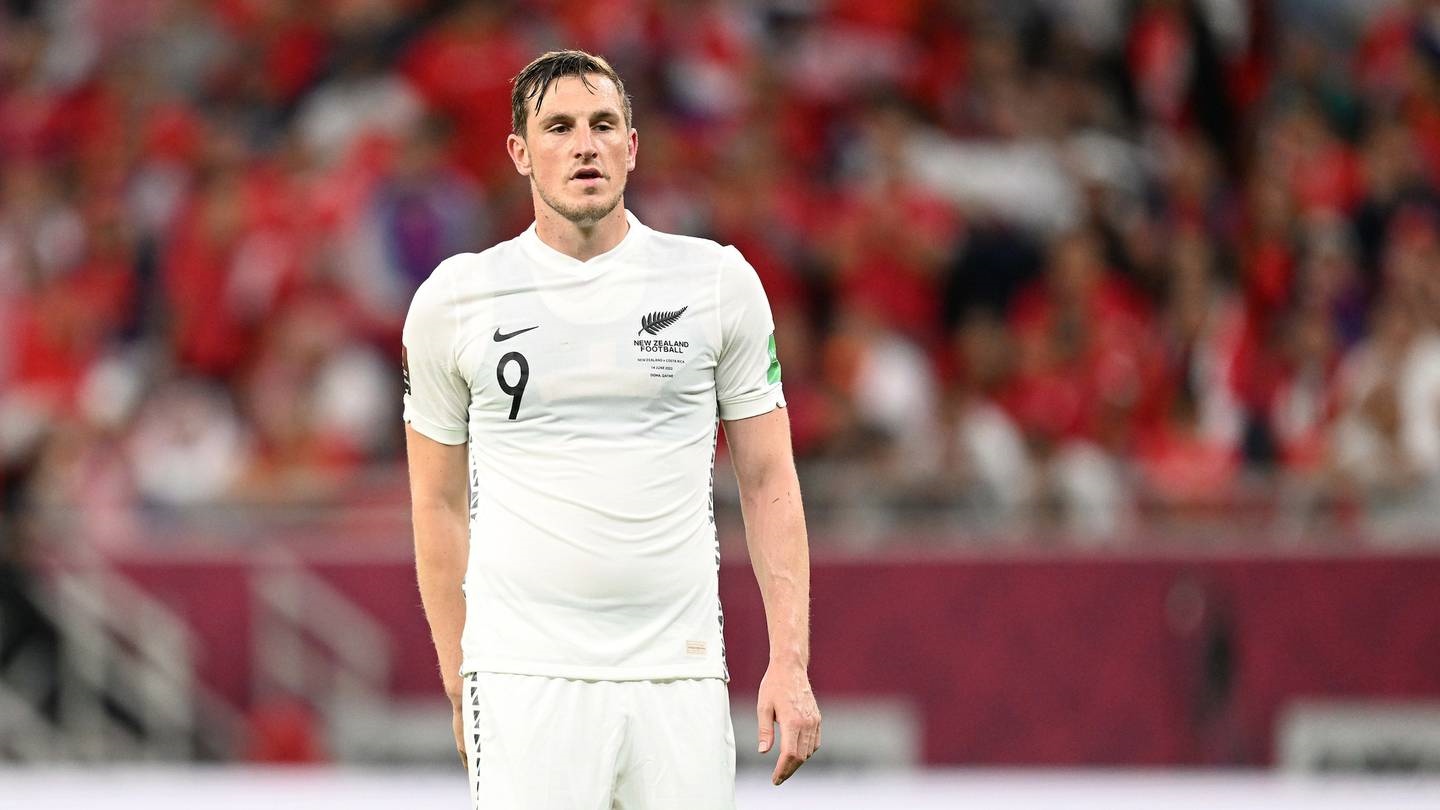
The origin story of All Whites 'boy wonder' Chris Wood | News from St Paul's Collegiate School
Iran and New Zealand have rarely crossed paths on the international stage, making this World Cup encounter a genuinely novel chapter in both nations' footballing histories. The two teams have met on just a handful of occasions across various invitational tournaments and friendly fixtures, with Iran generally holding the upper hand in these limited exchanges. The most recent meeting came in a 2014 friendly in Austria, where Iran secured a narrow 1-0 victory thanks to a second-half goal from Reza Ghoochannejhad. Prior to that, the teams played out a 1-1 draw in a 2003 friendly in Tehran, with Ali Daei scoring for the hosts. These sparse historical encounters mean there is little recent competitive data to draw upon, though Iran's superior FIFA ranking and consistent presence at World Cup tournaments suggests they enter this fixture with a psychological edge. For bettors looking at double chance markets, the lack of head-to-head history adds an element of unpredictability to this fixture.
Breaking down the historical context further, Iran's three victories over New Zealand have all been by narrow margins – 1-0 in 2014, 3-1 in a 1998 friendly, and 1-0 in a 1978 Bicentennial Gold Cup encounter. The pattern suggests that while Iran have consistently found ways to win these matchups, the games have typically been tight, low-scoring affairs decided by fine margins. New Zealand's inability to secure a victory in five attempts against Iran speaks to the technical and tactical superiority that Asian football has traditionally held over Oceania opposition, though the All Whites' marked improvement under Darren Bazeley means past results may not be indicative of future performance. With both teams entering this World Cup encounter in very different form – Iran winning three of their last five and New Zealand struggling with four defeats in their last five – the historical head-to-head record provides an interesting but not definitive guide to what we can expect at SoFi Stadium. Those exploring correct score betting options should note the historically tight nature of this fixture.
Key Players Comparison
Mehdi Taremi (Iran)
Position: Striker | Club: Olympiacos | Age: 33
The undisputed focal point of Iran's attack, Taremi brings world-class movement, clinical finishing, and exceptional hold-up play. With over 100 caps and a half-century of international goals, he arrives at his third World Cup in peak condition after netting 10 goals in 15 qualifying appearances. His intelligent runs between defenders and ability to convert half-chances make him the single biggest threat in this fixture.
Chris Wood (New Zealand)
Position: Striker | Club: Nottingham Forest | Age: 38
New Zealand's captain and talismanic leader, Wood provides elite aerial presence and physicality that will test Iran's central defenders. With 41 goals in 80 international appearances, he is the All Whites' all-time leading scorer and primary attacking outlet. His ability to win aerial duels, hold up play, and bring teammates into the game makes him indispensable to Bazeley's tactical plan.
Saman Ghoddos (Iran)
Position: Attacking Midfielder | Club: Kalba (UAE) | Age: 31
Iran's creative heartbeat, Ghoddos possesses the vision and technical quality to unlock compact defences. His sharp lateral drifts, quick combinations, and ability to operate between the lines will be crucial in breaking down New Zealand's organised defensive structure. The link between midfield and attack runs through him.
Marko Stamenić (New Zealand)
Position: Defensive Midfielder | Club: Swansea City | Age: 23
The tireless engine room anchor brings immense energy, clean interception metrics, and high press-resistance to the All Whites' fluid system. His battle with Ghoddos for midfield supremacy will likely determine the tempo and territorial control of the match. Stamenić's ability to break up play and initiate attacks makes him New Zealand's most important defensive player.
Alireza Beiranvand (Iran)
Position: Goalkeeper | Club: Tractor | Age: 33
Iran's captain and most capped goalkeeper brings commanding presence and shot-stopping excellence. Famous for saving Cristiano Ronaldo's penalty at the 2018 World Cup, Beiranvand's experience and organisational skills will be vital in maintaining defensive concentration against New Zealand's set-piece threat.
Liberato Cacace (New Zealand)
Position: Left-Back | Club: Wrexham | Age: 24
One of the All Whites' most progressive outlets, Cacace combines defensive diligence with attacking ambition. His overlapping runs and delivery from wide areas will be crucial in stretching Iran's compact defensive block and creating crossing opportunities for Wood. His duel with Hardani on New Zealand's left flank promises to be an intriguing tactical battle.
The individual matchups across the pitch will be fascinating to observe, particularly the central battle between Taremi and New Zealand's centre-back pairing of Michael Boxall and Tyler Bindon. Taremi's clever movement and ability to drop deep to link play will test the concentration and positional discipline of the All Whites' defensive unit. Conversely, Wood's raw physical power and aerial dominance against Khalilzadeh and Kanaanizadegan represents a classic clash of styles – the burly target man against the technically astute but physically robust Asian defenders. In midfield, the duel between Ghoddos and Stamenić will determine which team controls the tempo, with Ghoddos looking to find pockets of space between the lines while Stamenić aims to screen his back four and initiate progressive passes. For those interested in goalkeeper analysis, the battle between Beiranvand and Crocombe could prove decisive in a tight contest. The wide areas also offer compelling individual contests, with Jahanbakhsh's experience and trickery against Elliot's defensive diligence on one flank, and Ghayedi's pace against Cacace's progressive instincts on the other. These micro-battles within the larger tactical framework will ultimately determine the outcome of this crucial Group G opener.
The Managers
Amir Ghalenoei (Iran)
A highly experienced and deeply respected figure in Asian football, Amir Ghalenoei brings structural pragmatism, veteran composure, and fierce collective discipline to the Iranian national team. Taking the reins for his second stint on the international hot seat, Ghalenoei has successfully managed a smooth generational transition while maintaining Team Melli's historic status as an unyielding continental powerhouse. His previous success with Esteghlal, where he won multiple Persian Gulf Pro League titles, established him as one of Iran's most accomplished club managers before he returned to the national team setup for the 2026 cycle. Ghalenoei has earned widespread praise for his direct communication style, defensive optimisation, and ability to maximise the lethal chemistry of his European-based attacking stars. His man-management skills have been particularly evident in maintaining squad harmony despite the absence of Sardar Azmoun and the injury to Ali Gholizadeh, ensuring that the remaining players remain focused and motivated for the tournament ahead. For managers looking to manage their betting capital effectively, studying Ghalenoei's risk-averse approach offers valuable lessons.
Tactically, Ghalenoei favours a balanced, highly organised approach that typically shapes up in a rigid 4-2-3-1 or a functional 4-3-3 system. His philosophy prioritises defensive solidity and intensive central pressing, forcing opponents into wide areas where his physically imposing centre-backs can dominate. Once possession is secured, he demands immediate, direct vertical distribution to slice open defences in transition rather than engaging in patient build-up play. This approach has proven highly effective in AFC qualifying, where Iran conceded just three goals in their final five matches while scoring 10 at the other end. His primary tactical challenge in Los Angeles will be ensuring his veteran defensive line maintains high concentration levels against a youthful, high-energy New Zealand side, avoiding defensive lapses that could expose his back four to sustained pressure. Ghalenoei's ability to make in-game adjustments and his willingness to switch formations mid-match – as demonstrated during qualifying when he moved from a 4-2-3-1 to a more defensive 5-4-1 against Uzbekistan – provides Iran with valuable tactical flexibility that could prove decisive in the latter stages of this encounter.
Darren Bazeley (New Zealand)
Darren Bazeley has firmly established himself as the architect of a modern, forward-thinking era for New Zealand football, successfully steering the All Whites back to the global stage after a 16-year absence. The English-born tactician has worked across New Zealand's entire national-team pathway, coaching at the FIFA U-17 World Cup, FIFA U-20 World Cup, and the Olympics before taking charge of the senior side. This comprehensive understanding of New Zealand's player development pipeline has been instrumental in his ability to integrate young talents into the senior setup while maintaining the competitive standards required at international level. Bazeley has fostered immense collective belief and technical confidence across a rapidly emerging squad, earning widespread acclaim for moving the national team away from a historically direct style and implementing a brave, progressive blueprint built on ball retention and intelligent positional play. His achievement in guiding New Zealand through an unbeaten OFC qualification campaign, culminating in a 3-0 victory over New Caledonia at Eden Park, represents a significant milestone in the country's footballing development. Those interested in football betting strategies should note Bazeley's tendency to set his teams up for possession dominance even against superior opponents.
Bazeley completely embraces a possession-based, fluid philosophy, typically deploying an asymmetrical 4-3-3 or a dynamic 3-4-3 setup designed to dictate the tempo of the match. His tactical identity hinges on building cleanly out from the back, utilising inverted full-backs and progressive central midfielders to construct numerical overloads in the middle third. He demands absolute technical composure from his players, tasking his wingers with stretching the pitch to create passing lanes for late runners. This approach has yielded impressive results in Oceania qualifying, where New Zealand averaged over six goals per game and dominated possession statistics. However, Bazeley's system has shown vulnerabilities against higher-quality opposition in recent friendlies, with defeats to England (1-0), Haiti (4-0), Finland (0-2), and Ecuador (0-2) exposing defensive frailties when his high defensive line is pressed aggressively. His primary objective in this high-stakes opener will be disrupting Iran's physical mid-block, maintaining structural balance during defensive transitions, and utilising Wood's elite aerial presence to exploit any vulnerability in the opposition's box. Bazeley's willingness to trust young players – as evidenced by his inclusion of 21-year-old Finn Surman and 22-year-old Jesse Randall in the final squad – demonstrates his commitment to building for the future while remaining competitive in the present.
Betting Predictions & Tips
Odds: 1.83
Iran enter this fixture as clear favourites, and the European odds of 1.83 represent solid value for a team with vastly superior tournament experience and a more settled squad. Team Melli have won three of their last five matches, including impressive victories over Mali (2-0), Gambia (3-1), and Costa Rica (5-0), demonstrating their ability to perform against diverse opposition. Their AFC qualifying campaign was dominant, finishing top of Group A with 23 points and showcasing the defensive organisation that has become their trademark. New Zealand, by contrast, have lost four of their last five fixtures, including concerning defeats to Haiti (4-0) and Ecuador (0-2), which exposed defensive vulnerabilities that Iran's experienced attack will look to exploit. Mehdi Taremi's prolific form – 10 goals in 15 qualifying appearances – makes him the most likely match-winner, and Iran's compact 4-2-3-1 system should suffocate New Zealand's possession-based approach. The 1.83 price offers an attractive return for what we assess as a high-probability outcome. For more win predictions for today's matches, check our dedicated section.
Odds: 1.72
Despite both teams' attacking credentials, historical patterns and tactical setups suggest this will be a tightly contested, low-scoring affair. Iran's last five matches have produced an average of just 2.6 goals per game, with three of those five fixtures finishing with under 2.5 goals. Their defensive organisation under Ghalenoei – conceding just three goals in five matches – makes them difficult to break down, particularly against opponents who favour possession over directness. New Zealand's recent struggles in front of goal, scoring just once in their last four defeats, further support the under angle. The All Whites' possession-based approach may see them dominate territory without creating clear-cut chances against Iran's compact block. Additionally, World Cup openers are traditionally cagey affairs, with both teams prioritising defensive solidity over attacking ambition. The 1.72 odds represent excellent value for a bet that aligns with the tactical profiles of both teams and the historical context of the fixture. Our over/under predictions section provides more insights into this market.
Odds: 1.95
While New Zealand have managed to find the net in several recent friendlies against quality opposition, their attacking output has dried up significantly in the lead-up to the tournament. The All Whites have failed to score in three of their last four matches, including blanks against England, Finland, and Ecuador. Iran's defensive record – three goals conceded in five matches – suggests they have the organisational discipline to keep a clean sheet, particularly with Beiranvand's commanding presence between the posts. New Zealand's reliance on Chris Wood for goals makes them predictable, and Iran's centre-back pairing of Khalilzadeh and Kanaanizadegan are well-equipped to handle aerial threats. The absence of creative spark from the injured Gholizadeh and the omitted Azmoun actually strengthens Iran's defensive resolve, as Ghalenoei can afford to commit fewer bodies forward knowing that Taremi alone provides sufficient attacking threat. The 1.95 odds offer compelling value for what we assess as a better-than-even chance of Iran keeping a clean sheet. Explore our double chance betting tips for alternative approaches to this market.
Odds: 2.10
Iran's talismanic striker arrives at the World Cup in scintillating form, having netted 10 goals in 15 qualifying appearances and maintained his prolific scoring record with Olympiacos throughout the 2025-26 season. Taremi's movement, clinical finishing, and ability to create chances from half-opportunities make him the most likely goalscorer in this fixture. His record of scoring against England at the 2022 World Cup demonstrates that he performs on the biggest stage, and New Zealand's defensive vulnerabilities – exposed in recent heavy defeats to Haiti and Ecuador – suggest he will have opportunities to add to his international tally. The 2.10 odds represent fair value for a player who is Iran's primary, secondary, and tertiary attacking threat rolled into one. Whether converting a chance from open play, capitalising on a defensive error, or scoring from a set-piece, Taremi's influence on this match cannot be overstated. For more daily football predictions, visit our main predictions page.
Odds: 6.50
Our model predicts a narrow 1-0 victory for Iran, and the 6.50 odds offer attractive returns for punters willing to take a more speculative position. This scoreline aligns perfectly with the tactical profiles of both teams – Iran's organised defence and efficient attack against New Zealand's possession-based but goal-shy approach. Historical head-to-head data supports this angle, with Iran's three victories over New Zealand all coming by a single goal margin (1-0, 1-0, and 3-1). World Cup openers are typically cagey affairs, with teams prioritising avoiding defeat over pursuing victory, and a single goal may prove sufficient to separate these evenly-matched sides. Taremi's clinical finishing and Iran's defensive resilience suggest that if there is to be a winner, it will likely be by the narrowest of margins. The speculative nature of correct score betting means this should be a smaller-stakes play, but the 6.50 odds provide a compelling risk-reward ratio for those seeking higher returns. Check our correct score tips for more detailed analysis.
📊 Final Score Prediction
Match Analysis
Our prediction of a 1-0 victory for Iran is grounded in a comprehensive analysis of both teams' tactical profiles, recent form, historical head-to-head data, and the specific demands of a World Cup group-stage opener. Iran's superior tournament experience, defensive organisation, and the individual brilliance of Mehdi Taremi provide them with decisive advantages in a fixture that promises to be tight and tactically nuanced. Ghalenoei's 4-2-3-1 system is perfectly designed to frustrate possession-based opponents, and New Zealand's recent struggles in front of goal – failing to score in three of their last four matches – suggest they will find it difficult to break down Iran's compact block. The likely scenario sees Iran absorbing early New Zealand pressure before capitalising on a defensive error or set-piece situation, with Taremi converting the decisive chance in the second half. The absence of Sardar Azmoun and Ali Gholizadeh limits Iran's attacking options, but Taremi's quality alone should prove sufficient against a New Zealand defence that conceded nine goals in four recent friendlies. For those looking at fulltime result betting, Iran's narrow victory offers the most probable outcome.
From a tactical perspective, the match will likely be decided in midfield, where Saman Ghoddos's creativity against Marko Stamenić's defensive diligence will determine which team controls the tempo. Iran's experience in managing high-stakes tournament matches – this is their fourth consecutive World Cup appearance – gives them a psychological edge over a New Zealand side returning to the global stage after 16 years. The SoFi Stadium atmosphere, with its expected strong Iranian diaspora support, could also prove influential in the latter stages as legs tire and mental fatigue sets in. While New Zealand's youthful energy and Bazeley's progressive philosophy make them dangerous opponents capable of springing a surprise, the weight of history, form, and tactical matchup all point towards a narrow but deserved Iranian victory. This result would put Iran in an excellent position to challenge for knockout qualification, while New Zealand would need to regroup quickly ahead of their daunting fixtures against Belgium and Egypt. For comprehensive live football scores and updates, follow our real-time coverage.
Key Insights & Statistics

Midfielder Marko Stamenić ruled out of All Whites games due to injury - Friends of Football
- Tournament Experience Gap: Iran are appearing at their fourth consecutive World Cup and seventh overall, while New Zealand return after a 16-year absence. This disparity in big-match temperament could prove decisive in the closing stages.
- Defensive Resilience: Iran have conceded just 3 goals in their last 5 matches, keeping clean sheets against Mali and Uzbekistan. Their organised 4-2-3-1 block has proven difficult to break down for opponents of all calibres.
- New Zealand's Goal Drought: The All Whites have failed to score in 3 of their last 4 matches, with blanks against England, Finland, and Ecuador raising concerns about their ability to convert possession into chances against organised defences.
- Taremi's World Cup Pedigree: Mehdi Taremi has scored at a World Cup before (brace vs England, Qatar 2022) and arrives with 10 goals in 15 qualifying appearances. He is Iran's most likely match-winner and the focal point of all attacking play.
- Head-to-Head Dominance: Iran have won 3 of 5 meetings with New Zealand, with all three victories coming by narrow margins. The historical pattern suggests another tight, low-scoring encounter.
- Set-Piece Threat: Both teams possess significant aerial threats – Chris Wood for New Zealand and Iran's centre-back pairing – making set-pieces a potential decisive factor. Iran's defensive organisation gives them the edge in this department.
- Managerial Pedigree: Amir Ghalenoei has managed over 400 professional matches and won multiple league titles, while Darren Bazeley is managing at his first senior World Cup. The experience gap on the touchline favours Iran.
- Form Contrast: Iran have won 3 of their last 5 (scoring 10, conceding 3), while New Zealand have lost 4 of their last 5 (scoring 5, conceding 9). The momentum clearly favours the Asian side.
- Squad Depth: Iran's 26-man squad features 11 players with 30+ caps, while New Zealand rely heavily on a younger, less experienced core. Iran's bench options – including Alireza Jahanbakhsh and Mehdi Ghayedi – offer greater game-changing quality.
- Geopolitical Context: FIFA President Gianni Infantino has confirmed Iran will participate as scheduled despite geopolitical tensions, with the team training in California ahead of the tournament. This resolution removes uncertainty and allows full focus on football matters.
- World Cup Opener History: Teams winning their opening group match at the World Cup have a 73% probability of advancing to the knockout stages, making this fixture potentially decisive for both nations' tournament aspirations.
- Possession vs Counter-Attack: New Zealand's possession-based approach (averaging 58% in qualifying) will clash with Iran's direct counter-attacking style. The team that better executes their tactical plan will likely prevail in a match of fine margins.
Conclusion
The Iran vs New Zealand encounter at SoFi Stadium represents far more than a routine World Cup group-stage opener – it is a clash of footballing cultures, tactical philosophies, and generational ambitions that could define both nations' tournament trajectories. Iran arrive as the established force, carrying the weight of expectation from a football-mad nation desperate to see Team Melli finally break their group-stage curse and advance to the knockout rounds for the first time. Their squad, built around the proven quality of Mehdi Taremi, the organisational excellence of Amir Ghalenoei, and the defensive resilience that has become their trademark, possesses the experience and tactical maturity to navigate the unique pressures of a World Cup opener. The absence of Sardar Azmoun and Ali Gholizadeh undoubtedly weakens their attacking depth, but Taremi's individual brilliance and the supporting cast of Ghoddos, Jahanbakhsh, and Ghayedi provide sufficient firepower to overcome a New Zealand side that has shown defensive vulnerabilities in recent months. For punters looking at accumulator betting, Iran's victory should form a solid foundation for any multi-bet.
New Zealand, meanwhile, embody the excitement and unpredictability of a team returning to the global stage after a prolonged absence. Darren Bazeley has instilled a progressive, possession-based philosophy that represents a significant evolution from the direct, physical approach of previous All Whites generations. The blend of experienced campaigners like Chris Wood and Michael Boxall with emerging talents such as Marko Stamenić and Tyler Bindon offers a tantalising glimpse of New Zealand's footballing future. However, their recent form – four defeats in five matches, including a humbling 4-0 loss to Haiti – raises legitimate questions about their ability to compete against organised, defensively solid opponents. Bazeley's tactical challenge is to find the right balance between maintaining his possession principles and recognising that Iran's compact block will require patience, precision, and perhaps a touch of individual inspiration to break down. For those exploring must-win team predictions, Iran clearly fit the criteria in this fixture.
Ultimately, our prediction of a 1-0 Iranian victory reflects the convergence of multiple factors: superior tournament experience, better recent form, a more settled tactical system, and the presence of a genuine match-winner in Mehdi Taremi. While New Zealand's youthful energy and Bazeley's progressive approach make them capable of springing a surprise – as their legendary 2010 campaign demonstrated – the weight of evidence points towards Iran securing a narrow but deserved opening victory. For bettors, the 1.83 odds on an Iranian win, the 1.72 on under 2.5 goals, and the 6.50 correct score of 1-0 all represent value plays that align with our analytical assessment. As the lights shine brightly at SoFi Stadium and the world watches on, this Group G opener promises to deliver the drama, tension, and tactical intrigue that make the World Cup the greatest show on earth. Whether Iran can finally take the step from perennial group-stage participants to knockout contenders, or whether New Zealand can rekindle the spirit of 2010, will begin to unfold in 90 minutes of football that neither nation will ever forget. For more tomorrow's football predictions and comprehensive betting analysis, explore our dedicated coverage.