Indonesia vs Oman: Match Preview, Predictions and Betting Tips
Published on Wednesday, 03 June 2026 by Steve


Indonesia vs Oman
World - Friendly International Prediction & Betting Tips
Match Overview

The Indonesian national football team, affectionately known as the Garuda, prepares to host the Sultanate of Oman in a crucial international friendly fixture at the iconic Gelora Bung Karno Stadium in Jakarta on Friday, June 5, 2026. This encounter represents far more than a routine warm-up match; it serves as a critical evaluation period for both nations as they chart their respective paths toward the 2027 AFC Asian Cup in Saudi Arabia. Having both failed to qualify for the 2026 FIFA World Cup, Indonesia and Oman find themselves at similar crossroads, seeking to rebuild confidence, integrate new talent, and establish tactical identities under relatively new managerial regimes. The match carries particular significance for the home side, as Indonesian football continues its ambitious modernization project under the guidance of the Indonesian Football Association (PSSI), which has invested heavily in infrastructure, coaching education, and player development pathways over the past several years.
For Indonesia, this friendly arrives at a pivotal moment in the nation's footballing evolution. The appointment of John Herdman as head coach in late 2025 marked a dramatic shift in philosophy following the dismissal of Patrick Kluivert, whose tenure lasted less than twelve months. Herdman, the former Canada national team manager who guided the Maple Leafs to their first World Cup appearance in 36 years, brings a wealth of international experience and a reputation for transforming underperforming football cultures. His initial tenure has yielded mixed results: a resounding 4-0 victory over Saint Kitts and Nevis in March 2026 was followed by a narrow 1-0 defeat to Bulgaria, leaving the coaching staff with valuable data but also pressing questions about the team's consistency. The Garuda have managed only four victories in their last thirteen matches across all competitions, a statistic that underscores the magnitude of the rebuilding task facing Herdman and his technical team. The home crowd at GBK will expect a significantly improved performance, particularly in front of goal, as Indonesia has been held scoreless in six of their recent fixtures.
Oman, meanwhile, enters this fixture under the stewardship of Tarik Sektioui, who was appointed head coach in March 2026 following the team's disappointing World Cup qualifying campaign. The Reds, as they are known, finished bottom of their second-round group with just a single point from encounters against Qatar and the United Arab Emirates, a campaign that exposed structural deficiencies in both defensive organization and attacking output. Sektioui, a former Moroccan international with coaching experience across North Africa and the Middle East, faces the unenviable task of revitalizing a squad that has scored in only four of its last nine competitive outings. The Omani Football Association has placed significant faith in Sektioui's ability to implement a more progressive, possession-based approach, moving away from the conservative counter-attacking style that characterized the previous regime. This match against Indonesia represents his first opportunity to test these tactical concepts in a competitive environment, making it a fascinating strategic duel between two managers still in the early stages of imprinting their philosophies on their respective squads. The historical record between these two nations heavily favors Oman, who have emerged victorious in three of four previous encounters, including a 3-1 triumph in their most recent meeting in May 2021.
Tactical Preview
Formation & Key Matchups
Indonesia 3-4-3 / 3-4-2-1
John Herdman has demonstrated a preference for fluid, adaptable systems during his brief tenure with Indonesia, frequently transitioning between a three-man and four-man defensive line depending on the opponent's attacking threat and the game state. Against Oman, we anticipate the Garuda will deploy a 3-4-3 formation that morphs into a 3-4-2-1 in possession, with the wing-backs pushing high to provide width and the two advanced midfielders operating in the half-spaces between the opposition's defensive and midfield lines. This approach relies heavily on the technical quality of the central defensive trio, particularly the ball-playing abilities of Jay Idzes, who has developed into one of the most sought-after Indonesian defenders in European football. The Sassuolo center-back, valued at approximately €40 million following interest from AC Milan, serves as the primary build-up initiator, frequently stepping into midfield to create numerical superiority and break the opposition's first line of press. His partnership with Justin Hubner and Jordi Amat provides a blend of pace, physicality, and experience that Herdman will look to exploit against an Omani side still adapting to new tactical instructions.
Oman 4-2-3-1 / 4-4-2
Tarik Sektioui's tactical approach remains something of an unknown quantity given this will be his first match in charge, but early indications suggest a desire to move toward a more proactive 4-2-3-1 system that emphasizes controlled possession and structured buildup play. The double pivot of Sultan Al Marzouq and Harib Al Saadi will be tasked with screening the back four while also initiating attacks through progressive passing into the attacking midfield trio. The wide areas represent Oman's most likely avenue of penetration, with Jameel Al Yahmadi and Zahir Al Aghbari providing pace and direct running on the flanks. However, the transition from the previous regime's counter-attacking philosophy to a more possession-oriented approach carries inherent risks, particularly against an Indonesian side that has shown vulnerability when pressed aggressively in their own half. Sektioui may opt for a more pragmatic 4-4-2 shape if his team struggles to maintain possession, utilizing the physical presence of Nasser Al Rawahi as a target man to relieve pressure and bring the wide players into the game. The Moroccan coach's biggest challenge will be balancing his desire to implement a new identity with the practical realities of a squad that has struggled for goals and confidence in recent months.
Critical Vulnerability
The most significant tactical vulnerability in this matchup lies in Indonesia's susceptibility to high pressing, particularly when building from the back against teams that commit numbers forward aggressively. Herdman's system demands that his center-backs and deep-lying midfielders receive the ball in tight areas and play through pressure, but the Garuda have been dispossessed in dangerous positions on multiple occasions during recent friendlies. Oman, if Sektioui chooses to be bold, could exploit this by deploying their front three to press Indonesia's back line while cutting off passing lanes to the pivot players. Conversely, Oman's own defensive transitions represent a potential weakness that Indonesia's pacey wide forwards could exploit. The Omani full-backs, particularly if they are instructed to push high in support of attacks, may leave space in behind that players like Ragnar Oratmangoen and Ramadhan Sananta can exploit with their intelligent movement and acceleration. The battle for midfield supremacy will likely determine the outcome, with both teams possessing industrious but technically limited central pairings that could cancel each other out, leading to a congested middle third and a reliance on individual brilliance or set-piece situations to break the deadlock.
Team News & Squad Status
Indonesia 📉
- Manager: John Herdman (appointed October 2025)
- Form (Last 6): W-D-L-L-W-L
- Key Absences: Asnawi Mangkualam (knee surgery), Mees Hilgers (ACL injury), Thom Haye (suspension), Marselino Ferdinan (thigh strain)
- Doubtful: Shayne Pattynama (disciplinary issue)
- Returnees: Elkan Baggott (Ipswich Town) recalled after long absence; Ezra Walian back in contention
- Debutants: Five new faces called up for ASEAN Cup preparation including Arkhan Fikri and Hokky Caraka
- European-Based Core: Jay Idzes (Sassuolo), Kevin Diks (Borussia Mönchengladbach), Emil Audero (Cremonese), Maarten Paes (Ajax), Calvin Verdonk (Lille), Joey Pelupessy (Lommel)
- Captain: Jordi Amat
Oman 📊
- Manager: Tarik Sektioui (appointed March 2026)
- Form (Last 6): W-L-W-L-D-W
- Key Absences: Several regulars omitted as Sektioui evaluates new options; squad in transition period
- Tournament Form: Finished 3rd in FIFA Arab Cup group (Dec 2025), eliminated behind Saudi Arabia
- Goal Scoring Issues: Failed to score in 5 of last 9 matches
- Historical Edge: Won 3 of 4 previous meetings with Indonesia
- Key Players: Jameel Al Yahmadi (74 caps), Abdullah Fawaz, Nasser Al Rawahi
- Domestic League: Most squad members from Oman Professional League
- Captain: To be confirmed under new management
Predicted Lineups
| Indonesia 3-4-3 | Oman 4-2-3-1 |
|---|---|
| Emil Audero (GK) | Faiz Al Rushaidi (GK) |
| Justin Hubner (CB) | Muhsin Al Ghassani (RB) |
| Jay Idzes (CB) | Musab Al Shaqsi (CB) |
| Jordi Amat (CB) | Khalid Al Braiki (CB) |
| Kevin Diks (RWB) | Mohammed Al Musalami (LB) |
| Calvin Verdonk (CM) | Sultan Al Marzouq (CDM) |
| Joey Pelupessy (CM) | Harib Al Saadi (CDM) |
| Nathan Tjoe-A-On (LWB) | Jameel Al Yahmadi (RW) |
| Ole Romeny (RF) | Abdullah Fawaz (CAM) |
| Ramadhan Sananta (ST) | Zahir Al Aghbari (LW) |
| Ragnar Oratmangoen (LF) | Nasser Al Rawahi (ST) |
Head-to-Head Record
The historical ledger between Indonesia and Oman paints a picture of Omani dominance, with the Reds holding a commanding advantage in their limited but significant encounters over the past two decades. The two nations have met on four previous occasions in senior international football, with Oman emerging victorious in three of those fixtures while the remaining match ended in a draw. Indonesia is still searching for its first-ever competitive victory against the Sultanate, a psychological burden that the home side will need to overcome if they are to secure a positive result in front of their passionate supporters at the Gelora Bung Karno Stadium. The most recent meeting between these two sides took place in May 2021, when Oman secured a comfortable 3-1 victory, demonstrating their superior tactical organization and clinical finishing in front of goal. That match served as a stark reminder of the gap in quality that existed between the two nations at the time, though much has changed in the intervening years as Indonesia has embarked on an ambitious naturalization and development program.
Breaking down the head-to-head statistics further reveals Oman's superiority in both offensive and defensive metrics across these four encounters. The Reds have scored seven goals against Indonesia while conceding just three, giving them a healthy goal difference of +4 in this particular matchup. Oman's ability to maintain defensive solidity while capitalizing on Indonesian mistakes has been a recurring theme, with the Garuda frequently guilty of individual errors and lapses in concentration during these fixtures. However, context is crucial when analyzing historical data, as the Indonesian squad that will take the field on June 5, 2026, bears little resemblance to the teams that struggled against Oman in previous years. The current generation features a significant number of European-based professionals, including defenders plying their trade in Serie A, the Bundesliga, and the Eredivisie, representing a quantum leap in individual quality compared to previous iterations of the national team. Furthermore, the appointment of John Herdman has introduced a level of tactical sophistication and professional preparation that was previously absent from the Indonesian setup. While Oman will undoubtedly draw confidence from their historical dominance, they would be wise not to underestimate a transformed Indonesian side that is rapidly closing the gap on its regional rivals.
Key Players Comparison
🇮🇩 Jay Idzes (CB, Sassuolo)
Market Value: €40m | Age: 25 | Caps: 15+
The defensive cornerstone and captain-in-waiting. Exceptional ball-playing ability, aerial dominance, and tactical intelligence. Recently linked with AC Milan transfer.
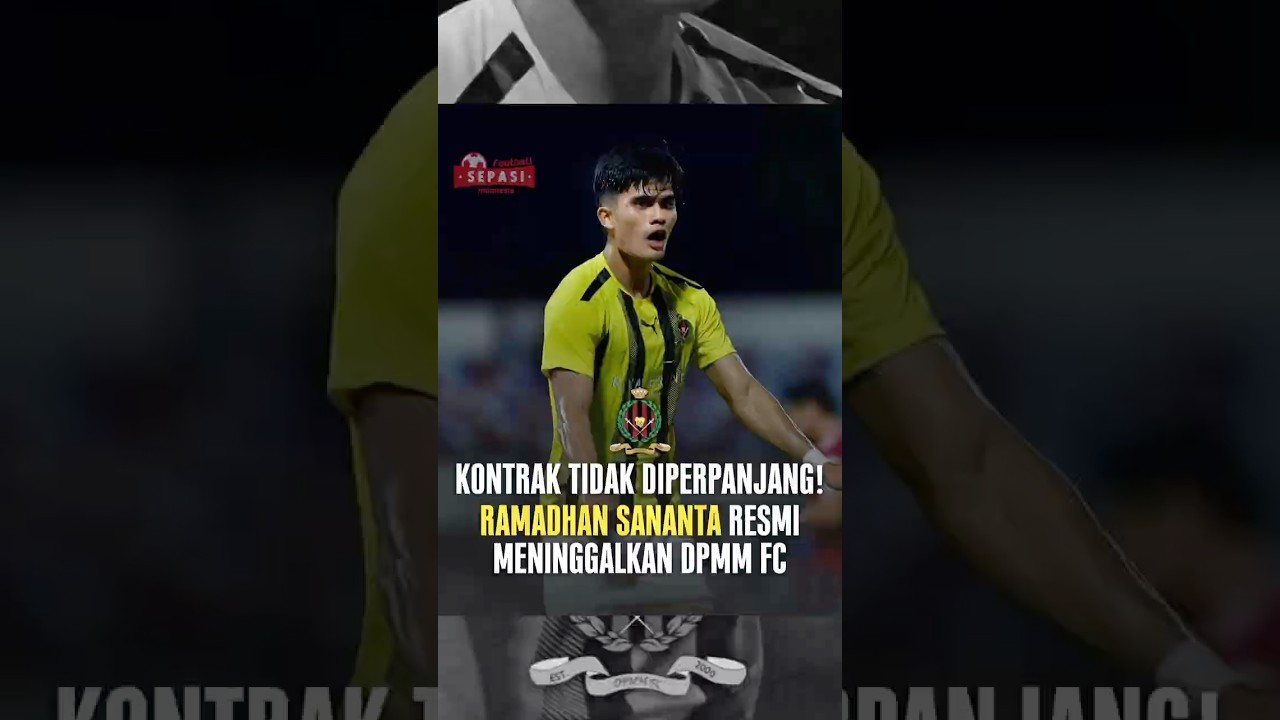
🇮🇩 Ramadhan Sananta (ST, DPMM FC)
International Goals: 6+ | Age: 22 | Key Trait: Finishing
Indonesia's most potent goal threat. Clinical inside the box with excellent movement and composure under pressure.
🇴🇲 Jameel Al Yahmadi (RW, Al-Karma)
International Caps: 74 | Age: 29 | Key Trait: Experience
Oman's most capped active player and creative hub. Provides width, delivery from wide areas, and leadership in the final third.
🇴🇲 Nasser Al Rawahi (ST)
International Goals: 8+ | Age: 27 | Key Trait: Physicality
Oman's primary goal threat. Strong aerial presence and hold-up play make him the focal point of the Omani attack.
The individual matchups across the pitch will play a decisive role in determining the outcome of this friendly international, and nowhere is this more apparent than in the battle between Indonesia's defensive linchpin Jay Idzes and Oman's attacking spearhead Nasser Al Rawahi. Idzes, who has developed into one of the most complete center-backs in Southeast Asian football since his naturalization and subsequent move to Serie A, combines exceptional reading of the game with outstanding technical ability on the ball. His capacity to step into midfield and initiate attacks makes him a unique weapon in Herdman's tactical arsenal, but his primary responsibility will be neutralizing the physical threat posed by Al Rawahi. The Omani striker thrives on crosses and set-piece situations, using his strength and aerial prowess to dominate defenders in the penalty area. Idzes will need to be at his absolute best to prevent Al Rawahi from converting half-chances into goals, particularly given Oman's struggles to create clear-cut opportunities from open play in recent fixtures. This duel between Sassuolo's rising star and Oman's veteran target man encapsulates the broader tactical narrative of the match: Indonesia's technical evolution against Oman's traditional physical approach.
The Managers
John Herdman
John Herdman represents one of the most intriguing managerial appointments in recent Indonesian football history, bringing a proven track record of overachievement and cultural transformation to a nation desperate for international success. The Englishman first made his name in women's football, guiding the Canadian women's national team to back-to-back Olympic bronze medals in 2012 and 2016 before transitioning to the men's side. His greatest achievement came in 2022 when he led Canada to their first FIFA World Cup appearance in 36 years, defeating the United States and Mexico in the process and fundamentally changing the footballing landscape in North America. Herdman's methodology emphasizes psychological resilience, tactical flexibility, and a data-driven approach to player development, all of which align with PSSI's long-term vision for Indonesian football. Since taking charge in October 2025, he has worked tirelessly to instill a professional culture within the national team setup, introducing sports science departments, video analysis protocols, and structured training methodologies that were previously absent.
However, Herdman's tenure has not been without its challenges. The World Cup qualifying failure that preceded his appointment left deep scars within the squad, and several key players have struggled with the intensity and demands of his training methods. The decision to exclude established names like Marc Klok and Egy Maulana Vikri from certain squads has drawn criticism from sections of the media, though Herdman has remained steadfast in his belief that meritocracy must prevail over reputation. His tactical approach has evolved since his Canada days, with a greater emphasis on possession-based football and high defensive lines that reflect the technical improvements in the Indonesian player pool. Against Oman, Herdman will be eager to demonstrate that his philosophy is beginning to take root, particularly in the attacking third where Indonesia has been wasteful in recent matches. The friendly provides an ideal opportunity to test new combinations and give opportunities to emerging talents like Arkhan Fikri and Hokky Caraka, who represent the next generation of Indonesian footballers. A positive result would significantly boost morale ahead of the ASEAN Championship in July and validate the difficult decisions Herdman has made during his brief but eventful tenure.
Tarik Sektioui
Tarik Sektioui arrives in the Omani dugout with a reputation forged in the competitive cauldrons of North African and Middle Eastern football, though his appointment in March 2026 represents his first senior national team role after a career spent primarily in club management. The former Moroccan international winger enjoyed a distinguished playing career that included spells at Ajax, Porto, and Ajaccio, experiences that exposed him to some of the most sophisticated tactical environments in European football. As a coach, Sektioui has developed a reputation for meticulous preparation and an ability to maximize the potential of technically limited squads, traits that will be essential as he attempts to revitalize an Omani team that has lost its way in recent months. His appointment came after a thorough recruitment process by the Omani Football Association, which identified him as the ideal candidate to oversee a generational transition while maintaining competitive standards in regional competitions.
Sektioui's biggest challenge lies in addressing Oman's chronic goal-scoring deficiency, a problem that has plagued the national team throughout the World Cup qualifying campaign and the subsequent FIFA Arab Cup. The Reds have failed to find the net in five of their last nine matches, a statistic that points to systemic issues in both chance creation and conversion rather than mere bad luck. Sektioui has reportedly focused his early training sessions on improving the team's attacking patterns, particularly the movement of the front three and the timing of runs from midfield. He has also emphasized set-piece efficiency, recognizing that against technically superior opponents, dead-ball situations often represent the most reliable route to goal. The match against Indonesia will provide an immediate test of these improvements, though the Moroccan coach has cautioned against expecting overnight miracles. His long-term vision involves developing a more possession-oriented style that reduces the team's reliance on individual brilliance, but this transformation requires time and patience. A draw or narrow defeat in Jakarta would be considered an acceptable outcome if the team demonstrates clear tactical improvement and competitive spirit, while a victory would provide a massive confidence boost ahead of the 2027 Asian Cup preparations.
Betting Predictions & Tips
Odds: 3.20
Given the tactical uncertainty surrounding both teams, the historical difficulty Indonesia has faced against Oman, and the likelihood of a cagey, evenly-matched affair, the draw represents the most logical outcome. Both managers are in the early stages of their tenures and will prioritize defensive organization over attacking risk. Indonesia's struggles in front of goal (scoreless in 6 of last 13) and Oman's well-documented scoring issues (failed to score in 5 of last 9) point toward a low-scoring encounter where neither side will want to commit too many bodies forward. The 3.20 odds on the draw offer excellent value for a match that has all the hallmarks of a tactical stalemate. European bookmakers have priced this market conservatively, reflecting the genuine uncertainty about how both teams will perform under new management systems.
Odds: 1.72
The statistics overwhelmingly support a low-scoring contest. Indonesia has seen under 2.5 goals in 7 of their last 10 matches, while Oman's games have featured fewer than three goals in 6 of their last 8 outings. Both teams have struggled to create high-quality chances consistently, and with new managers still implementing their tactical systems, we expect a cautious approach from both sides. The defensive records are also telling: Indonesia has kept only 2 clean sheets in their last 10, while Oman has managed just 1 in their last 8, suggesting that while goals may be scarce, both teams are capable of finding the net at least once. The under 2.5 market at 1.72 represents a solid value play with a high probability of success based on recent form data and tactical analysis.
Odds: 1.95
Despite our expectation of a low-scoring match, both teams to score appears a strong probability at odds of 1.95. Indonesia's defensive vulnerabilities, particularly when building from the back under pressure, create opportunities for Oman's counter-attacking players to capitalize on turnovers. Conversely, Indonesia possesses enough individual quality in the final third, through players like Ramadhan Sananta and Ole Romeny, to breach an Omani defense that has conceded in 7 of their last 9 matches. The friendly nature of the fixture may also encourage both managers to take calculated risks in the second half as they search for a winning goal, increasing the likelihood of both teams finding the net. This market offers a compelling combination of probability and price that sophisticated bettors should consider as part of a diversified staking approach.
Odds: 6.50
Our primary prediction of a 1-1 draw is supported by multiple data points and tactical considerations. The historical head-to-head record, while favoring Oman overall, does not account for the significant improvements in the Indonesian squad over the past two years. Indonesia's home advantage at the Gelora Bung Karno Stadium, where they have won 3 of their last 7 matches, provides a counterbalance to Oman's psychological edge from previous encounters. The tactical matchup suggests a game of few clear-cut chances, with both teams likely to score from set-pieces or individual errors rather than sustained attacking pressure. A 1-1 scoreline would satisfy both managers' objectives: Herdman would take encouragement from avoiding defeat against a historically difficult opponent, while Sektioui would view a point away from home in his first match as a solid foundation for future development. The 6.50 odds on this exact score represent excellent value for bettors willing to take a slightly more speculative position.
Odds: 3.40
For bettors seeking higher returns with managed risk, the combination of an Indonesia victory and under 3.5 goals offers an intriguing speculative option at 3.40. While we favor the draw as the most likely outcome, Indonesia's home advantage, improved squad depth, and the presence of match-winners like Jay Idzes and Ramadhan Sananta cannot be discounted. If the Garuda can score early and force Oman to chase the game, their counter-attacking capabilities could prove decisive. The under 3.5 goals component provides a safety net, as even in victory, Indonesia has rarely been involved in high-scoring affairs under Herdman's management. This bet requires Indonesia to win by a one or two-goal margin while keeping the total goals below four, a scenario that aligns with their recent performance trends and the cautious nature of international friendlies between evenly-matched sides. It represents a calculated gamble for those who believe the home crowd and superior individual quality will ultimately prove decisive.
📊 Final Score Prediction
Match Analysis
Our prediction of a 1-1 draw is rooted in a comprehensive analysis of both teams' current form, tactical setups, historical head-to-head data, and the specific circumstances surrounding this friendly international. Indonesia enters the match with the advantage of playing at the iconic Gelora Bung Karno Stadium, where the passionate home support has historically lifted the Garuda in difficult moments. However, their recent struggles in front of goal, having been held scoreless in six of their last thirteen matches, cannot be ignored. John Herdman's tactical system demands patience and precision in the final third, qualities that his players have only intermittently displayed since his appointment. We anticipate Indonesia will control possession for significant periods of the match, probing the Omani defense through the technical abilities of Jay Idzes and Joey Pelupessy, but converting territorial dominance into goals remains their most pressing challenge.
Oman, under the newly appointed Tarik Sektioui, will approach this fixture with a blend of caution and ambition. The Moroccan coach needs to establish credibility quickly, and a point away from home against a team of Indonesia's growing stature would represent a solid start to his tenure. Oman's historical dominance in this fixture, having won three of four previous meetings, provides a psychological buffer, though the current Indonesian squad is vastly different from the teams they faced in earlier encounters. We expect Oman to sit compactly in a mid-block defensive shape, looking to hit Indonesia on the counter-attack through the pace of Jameel Al Yahmadi and the physical presence of Nasser Al Rawahi. The match will likely be decided by which team makes fewer defensive errors, and given both sides' recent propensity for individual mistakes, a share of the spoils appears the most probable outcome. A 1-1 scoreline would serve the interests of both managers: Herdman would avoid defeat against a historically difficult opponent while Sektioui would return to Muscat with a valuable point and clear areas for improvement ahead of the 2027 Asian Cup campaign.
Key Insights & Statistics
- Home Advantage: Indonesia has won 3 of their last 7 home matches at Gelora Bung Karno Stadium, with the passionate crowd providing a significant boost to player performance and intimidating visiting teams.
- Managerial Transition: Both teams are under relatively new management - John Herdman (Indonesia, appointed Oct 2025) and Tarik Sektioui (Oman, appointed Mar 2026) - making tactical predictions inherently uncertain.
- Goal Drought: Indonesia has failed to score in 6 of their last 13 matches, while Oman has been held scoreless in 5 of their last 9 outings, pointing to a likely low-scoring encounter.
- European Quality: Indonesia's squad features 6 players based in top European leagues (Serie A, Bundesliga, Eredivisie, Ligue 1), representing a significant upgrade in individual quality compared to previous generations.
- Historical Dominance: Oman holds a 3-0-1 record against Indonesia in four previous meetings, though the most recent encounter was in May 2021, before Indonesia's naturalization program accelerated.
- Asian Cup Preparation: Both teams have qualified for the 2027 AFC Asian Cup in Saudi Arabia and will use this friendly to evaluate players and tactical systems ahead of that tournament.
- Set-Piece Threat: With open-play creativity limited on both sides, set-pieces could prove decisive. Jay Idzes and Elkan Baggott provide aerial threats for Indonesia, while Oman relies on Nasser Al Rawahi's physical presence.
- Midfield Battle: The duel between Calvin Verdonk/Joey Pelupessy and Sultan Al Marzouq/Harib Al Saadi will likely determine which team controls the tempo and territorial advantage.
- Youth vs Experience: Indonesia is blending exciting young talents like Arkhan Fikri (20) and Hokky Caraka (21) with experienced campaigners, while Oman relies heavily on veterans like Jameel Al Yahmadi (74 caps).
- Defensive Vulnerability: Both teams have kept only 3 clean sheets combined in their last 18 matches, suggesting that defensive organization remains a work in progress for both managerial regimes.
Conclusion
The Indonesia vs Oman friendly international on June 5, 2026, represents a fascinating clash between two nations at similar crossroads in their footballing journeys. Both teams have experienced the disappointment of World Cup qualifying failure, both have turned to new managers with proven track records, and both are looking toward the 2027 AFC Asian Cup as the next major milestone in their development. The match at the Gelora Bung Karno Stadium will provide valuable insights into how far each nation has progressed since their respective managerial appointments and which players are likely to feature prominently in future competitive fixtures. For Indonesia, the game offers an opportunity to demonstrate that the significant investments in player naturalization, coaching education, and infrastructure are beginning to yield tangible results on the pitch. The presence of European-based professionals like Jay Idzes, Kevin Diks, and Emil Audero has elevated the technical level of the squad, but translating individual quality into collective success remains the ultimate challenge for John Herdman and his coaching staff.
From an Omani perspective, this fixture represents the first chapter in Tarik Sektioui's attempt to rebuild a national team that has lost its way in recent months. The historical record provides a foundation of confidence, but the Moroccan coach will be acutely aware that past results count for little in international football, particularly against a rapidly improving opponent. Oman's ability to address their goal-scoring deficiencies while maintaining defensive solidity will be the key determinant of their success not just in this match, but throughout the upcoming Asian Cup cycle. The tactical battle between Herdman's possession-based approach and Sektioui's evolving philosophy promises to be compelling, even if the scoreline ultimately reflects the cautious nature of a friendly between two evenly-matched sides. Our prediction of a 1-1 draw acknowledges the strengths and limitations of both teams, the psychological factors at play, and the broader context of two footballing nations seeking to rediscover their identities on the international stage.
For supporters and neutrals alike, this match offers a window into the future of Southeast Asian and Middle Eastern football. Indonesia's ambitious project, backed by passionate fans and significant resources, represents one of the most intriguing development stories in Asian football. Their ability to compete with established regional powers like Oman will be a crucial benchmark of their progress. Oman, meanwhile, must prove that their historical success was built on sustainable foundations rather than the individual brilliance of a golden generation that is now transitioning out of the squad. The 1-1 prediction reflects our belief that neither team is currently capable of dominating the other, but both possess enough quality and determination to avoid defeat. As the final whistle blows at GBK, both managers will likely view a draw as a fair result that provides more questions than answers, setting the stage for an intriguing rematch when these two nations inevitably cross paths again in the competitive arena of the AFC Asian Cup qualifiers and beyond.